International Nurses Day 2026
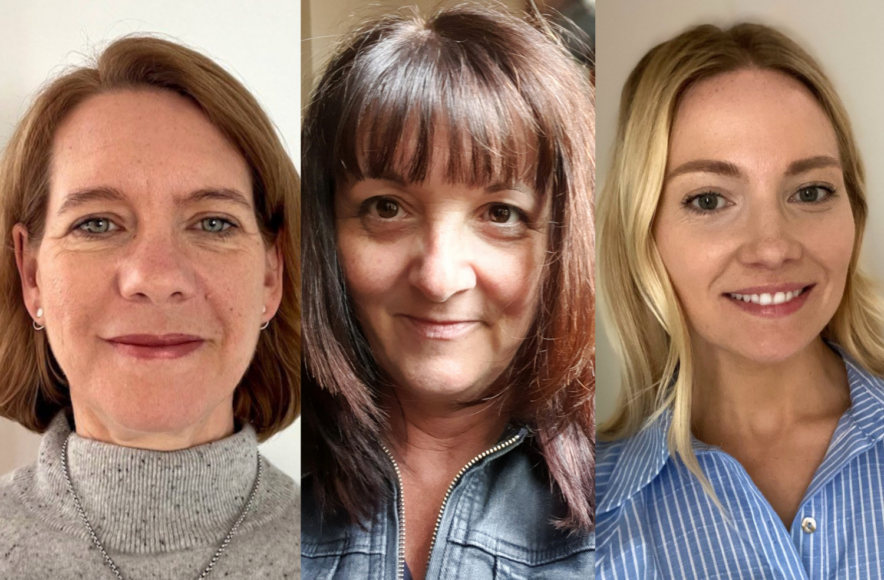
Driven by a strong duty of care, they play a vital role in supporting people to live safe, healthy and fulfilling lives. At United Response, our nursing team has an incredible 85 years of combined experience across health and social care.
Led by Alison Worsfold, the team has developed a Health and Wellbeing Strategy, shaped by our Big Lives plan. It focuses on a whole-person approach to care, developing resources, systems, training and support to improve wellbeing across the organisation.
We recently caught up with Alison, Michele and Sophie to talk about their careers, the realities of social care nursing, and what they love about their work.
What do you think people often misunderstand about social care nursing?
Michele (Mental Health, Learning Disability, and Neurodiversity Lead): That it’s mainly about supporting people with long-term physical health conditions. In reality, the role is far broader and holistic, with a real focus on overall health and wellbeing, improving access to services, reducing health inequalities, and upholding people’s rights.
A key part of the role is health facilitation. This means supporting teams to navigate complex healthcare systems and working closely with specialist learning disability services, local authorities and mental health teams so that support is coordinated and person-centred. Ultimately, it’s about helping people live healthier, safer and more meaningful lives through joined-up, effective support.
Sophie (Physical Health Lead): When I ask family and friends what comes to mind when they think of a social care nurse, most of them say something like, “Oh, they work in a care home.” The fact that people often stop there really shows how under recognised our roles can be. Social care nursing is far broader and more skilled than most people realise.
Nurses from all specialities work across the sector; supporting people in their own homes, in reablement or end of life care, or, like me, in quality improvement and advisory roles.
Alison (Head of Health and Wellbeing): One of the biggest misunderstandings is the role’s breadth and complexity. Social care nursing isn’t one setting or type of support – it spans everything from supporting people with learning disabilities and autism to those with complex health needs.
We bring a unique blend of clinical expertise and person-centred care, often working at the intersection of health and social care. We also play a vital role in bridging gaps between services, supporting integration with the NHS, and advocating for people whose needs might otherwise be overlooked.
Can you tell us a bit about your career as a nurse, and what led you to United Response?
Alison: I’ve been a registered nurse for 35 years across hospitals and community settings, and moved into social care 10 years ago. I originally worked in primary care, including GP practices and as a diabetes specialist nurse, before moving into nurse management. I also worked in the NHS as a Physical Health Lead Nurse within a large mental health trust, and then moved into social care as a CQC registered manager and Head of Health, Quality and Clinical Governance.
I also have a son with learning disabilities in supported living, so when I saw the role at United Response, it felt like a perfect fit with my values and lived experience.
A key part of our role at United Response is educating and empowering staff to advocate for the people we support – helping people live well and receive the healthcare they’re entitled to. Our Health and Wellbeing Strategy gives us a clear focus for improving support and reducing health inequalities, while also providing operational teams the backstage support and guidance they need to deliver the best possible care.
Michele: I qualified as a nurse in 1990 and spent a short period of my early career working within NHS long-stay units before moving into community learning disability teams, where I spent most of my career. I worked as both a community learning disability nurse and later a Hospital Liaison Nurse, supporting people with learning disabilities to access and navigate healthcare services, including during complex hospital admissions, while also contributing to policy and procedure work.
After a short career break to home educate my daughter through high school following her autism diagnosis, I worked at the CQC on inspection, before returning to frontline practice working in commissioning and specialist residential services.
Last June, I joined United Response because it felt like a great fit for me and my previous experience. As part of my role, I also lead on the implementation of the Mental Capacity Act and provide advice and guidance during periods of mental health crisis affecting the people we support.
Sophie: I qualified as a nurse in 2012 and spent most of my NHS career working as a cardiac nurse across a variety of roles. As a ward sister, I was also a learning disability champion link nurse, helping to ensure patients had reasonable adjustments and support during hospital admissions. I later became a specialist nurse supporting people born with heart conditions, including a lot of people with learning disabilities.
Before joining United Response, I worked as a cardiac rehabilitation nurse, where I developed a keen interest in promoting health and recovery after heart attacks and heart surgery.
At United Response, I monitor hospital admissions and advocate for the people we support while they are in hospital, including contributing to best interest meetings and working with hospital teams to support care planning around areas such as feeding and mobility. I also help educate staff, support in webinars, and provide guidance to managers around eating and drinking competency assessments.
What do you enjoy most about working at United Response?
Sophie: Being a Physical Health Lead here lets me use my hospital experience in a much more proactive and preventative way. I get to monitor hospital admissions and trends, train staff to spot early signs of deterioration, and support them to escalate concerns quickly and confidently.
I also work closely with services to guide them through physical health issues and set up agreements with health professionals for delegated health activities.
This links directly to our Health and Wellbeing strategy and the Big Lives plan, which focuses on promoting good health, preventing avoidable problems, and making sure people get the care and rights they’re entitled to. Although the role is more autonomous than hospital nursing, I’m lucky to work alongside colleagues with a wide range of expertise, and together, we help the organisation deliver safe, high-quality support.
Michele: United Response has a really strong commitment to dedicated quality and practice health facilitation roles, which are still quite uncommon in social care. Nurses play an important role in supporting teams in this setting with complex health-related decisions, drawing on their knowledge of clinical standards, legislation, care pathways, and best practice.
This helps our team to navigate what can often feel like a complicated healthcare system, get access to the right services, and advocate for people whose needs might otherwise be overlooked.
Nurses work closely with support teams to build confidence and understanding around health needs, so concerns can be picked up earlier and effectively responded to. A lot of this happens behind the scenes, but it can make a real and lasting difference to a person’s health, wellbeing, and overall quality of life.
Alison: Supporting people has always been at the heart of what I do, and it continues to give me a strong sense of purpose. Working for United Response enables me to use my skills and experience and support our fantastic hard working frontline teams and ultimately improve the health and wellbeing of those we support. I love the variety the role brings, with no day being the same.
I’m incredibly proud of my team and the difference we make. We’ve all got our own skillset, which puts us in a unique position to combine health advice and support with strategic leadership.
We’re also shaping longer-term approaches: embedding best practice, supporting workforce development, and actively reducing health inequalities for the people we support. That balance between frontline impact and strategic influence is what makes our roles so distinctive.
To find out more about how our Health and Wellbeing Strategy – shaped by our Big Lives plan – supports people to live healthier, happier lives, take a look here: Health-and-Wellbeing-Strategy