Easy News: The 2026 autumn Budget
Easy News: The 2026 autumn Budget
-
-
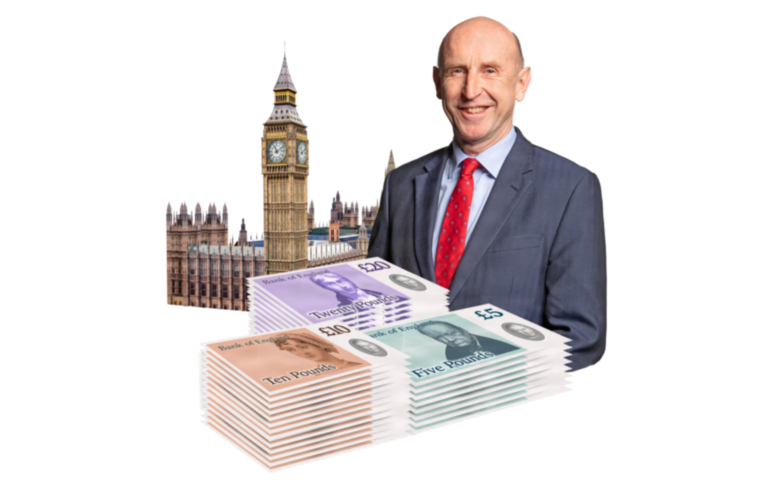
On the 28th of October, John Healey the Chancellor of the Exchequer told everyone about the Budget. Chancellor of the Exchequer is the UK government's chief finance minister.
-
The Budget is how the government keeps track of how it's going to make money, and what it will spend money on.
-
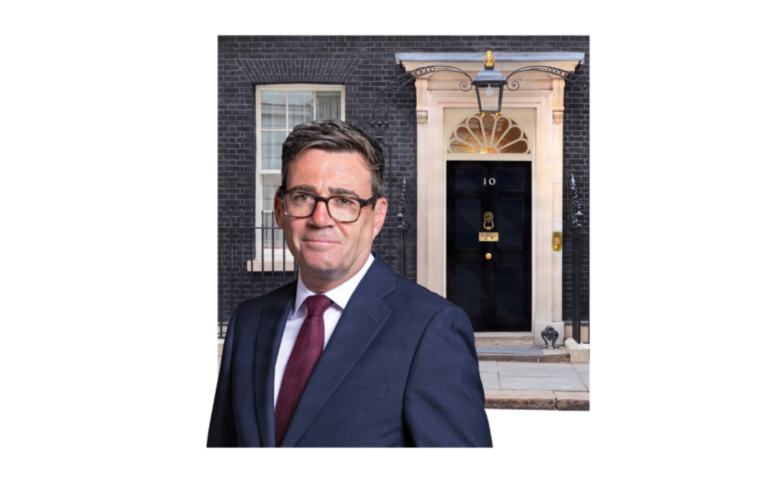
This is John Healey's first Budget. It's the first Budget after Andy Burnham became Prime Minister.
-
Here are some of the changes announced in the Budget.
-
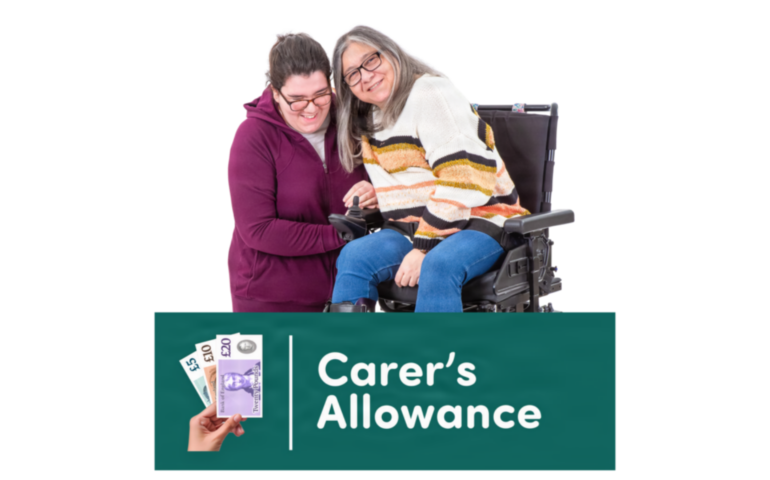
The rules for the Carers’ Allowance will change so more people can keep getting it while they are working.
-
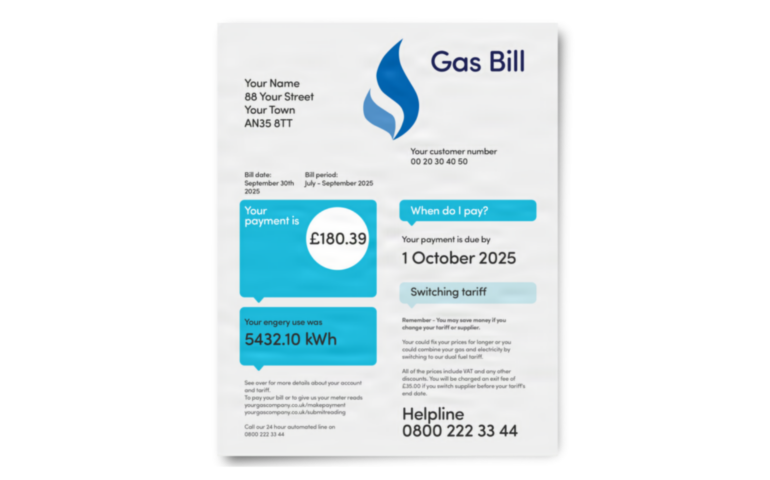
Standing Charges – the daily cost you pay to your supplier for having access to energy. This will be scrapped from the gas bills of 23 million households by 2027.
-
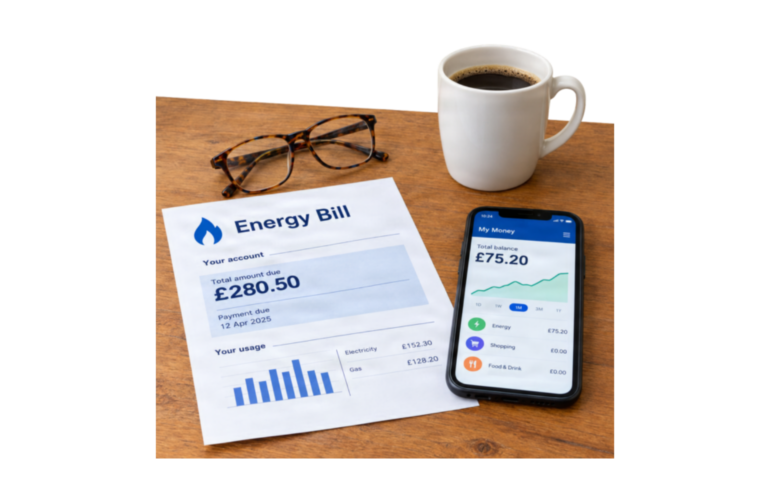
This means you will only pay for what you use.
-
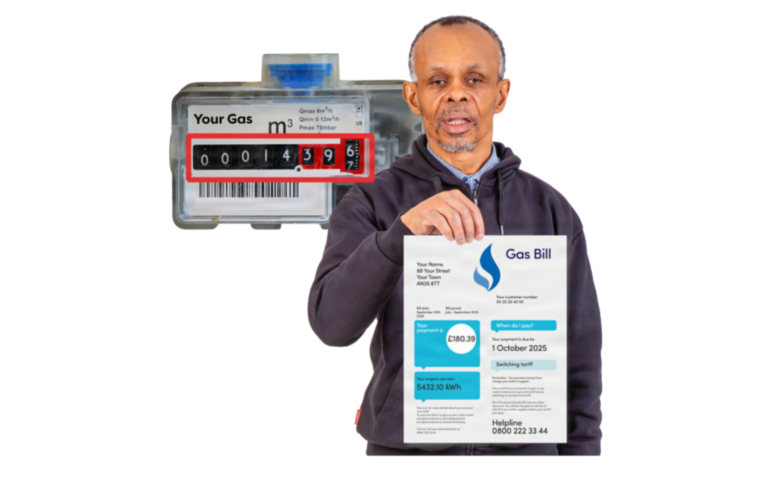
Lower gas users are expected to benefit from lower bills, but those with above average use are likely to pay more.
-
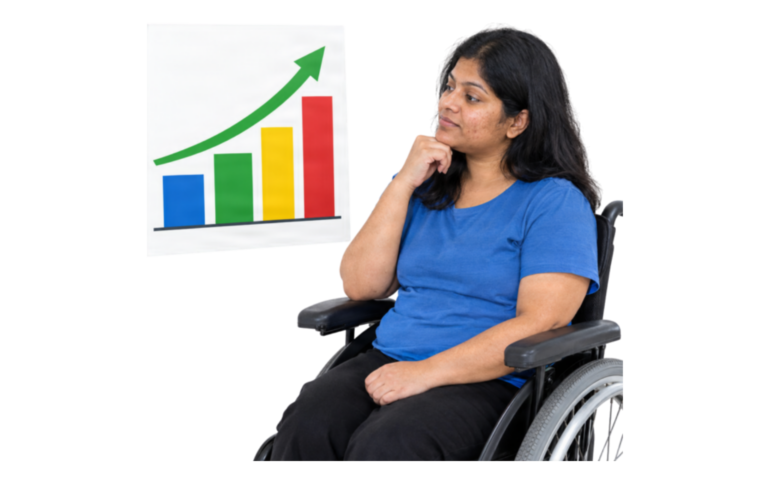
The Minimum Wage and the National Living Wage will increase.
-
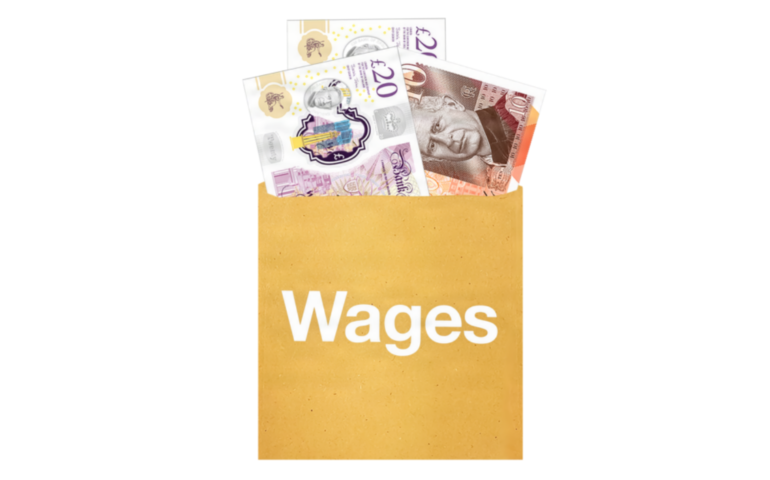
The Minimum wage is the smallest amount of money per hour you can pay an employee.
-
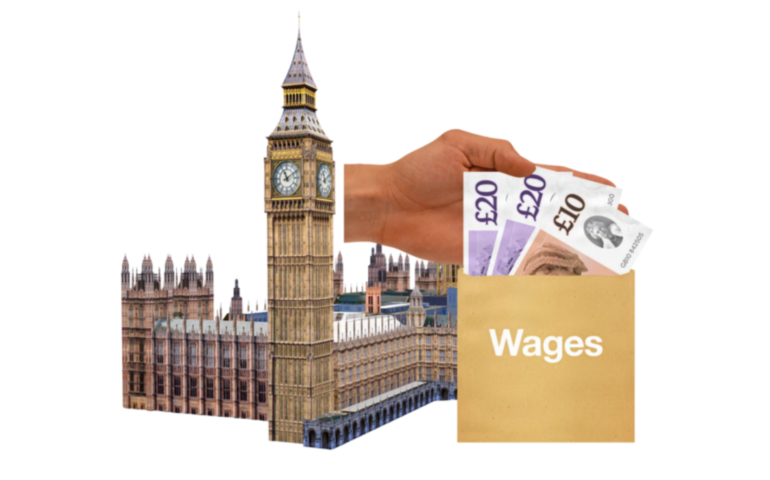
The National Living Wage is the legally minimum hourly rate of pay set by the UK government for workers aged 21 and over.
-
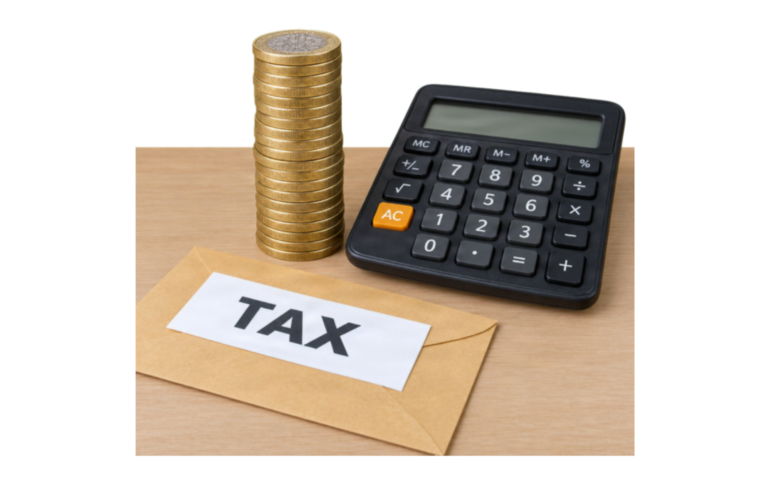
Small businesses won’t need to pay as much tax. This will help people who own small shops.
-
The Budget is tackling gambling by making gambling businesses pay more tax.
-
Healey said that the government will save £600 million by using AI to help the civil service do back office things. He said the government will look at what AI can do for the NHS.
-

He said the government will spend more on defence, like the Army, the Navy, and the RAF. He is waiting for a review to finish to know more.
-
The government will lend money to people buying their first home. This will help people buy houses.
-

He promised the government will spend £430 million to help stop people sleeping on the street.
-
John Healey said that the budget will be good for people in work or who own a small business.
-

He said that the government will take more money from people who can afford to pay.
-